

The Moving Series #3 : On Mourning Architecture
Houses as organisms, invisible dents, and the quiet grief of leaving a place behind.

This is (thankfully) the last instalment of The Moving Series, because, against all odds, I have actually finished moving houses!
When I started to think about moving, it never occurred to me that I would be mourning a house. Especially not a new build , the kind that comes with shiny finishes, blank walls, and zero ghosts (unless you count Jean-Georges, the very French, very temperamental ghost I may or may not have imagined). And then my flatmate (roommate for the US readers) and I moved in, and little by little it stopped being “new.” The dent in the wall from carrying up a shelf that probably should have stayed in the street. The cabinet door that never aligned properly. The invisible imprint of every dinner, every breakdown, every 2 a.m. call, every bad dance party, and that one attempt at making Coq Au Vin (bc oui, she’s pretentious like that) that nearly set off the fire alarm and ended with me having to throw the whole thing away, pot included.
That’s what no one tells you: houses metabolize you. They start off sterile, but they eat your routines, your moods, your neuroses until they become something alive, not just a container for your life, but a witness to it, even a silent participant.
Gaston Bachelard, in The Poetics of Space, wrote that houses aren’t just structures but vessels of memory and imagination. Which sounds a bit over the top, but he’s onto something: a staircase can hold triumph (homecoming after a big night) or dread (trudging up when the hot water bails halfway through your shampoo). The smallest corner can become a shrine to the version of you who once curled up there, convinced you’d figured life out (spoiler: you absolutely had not, and even the corner knew it.)
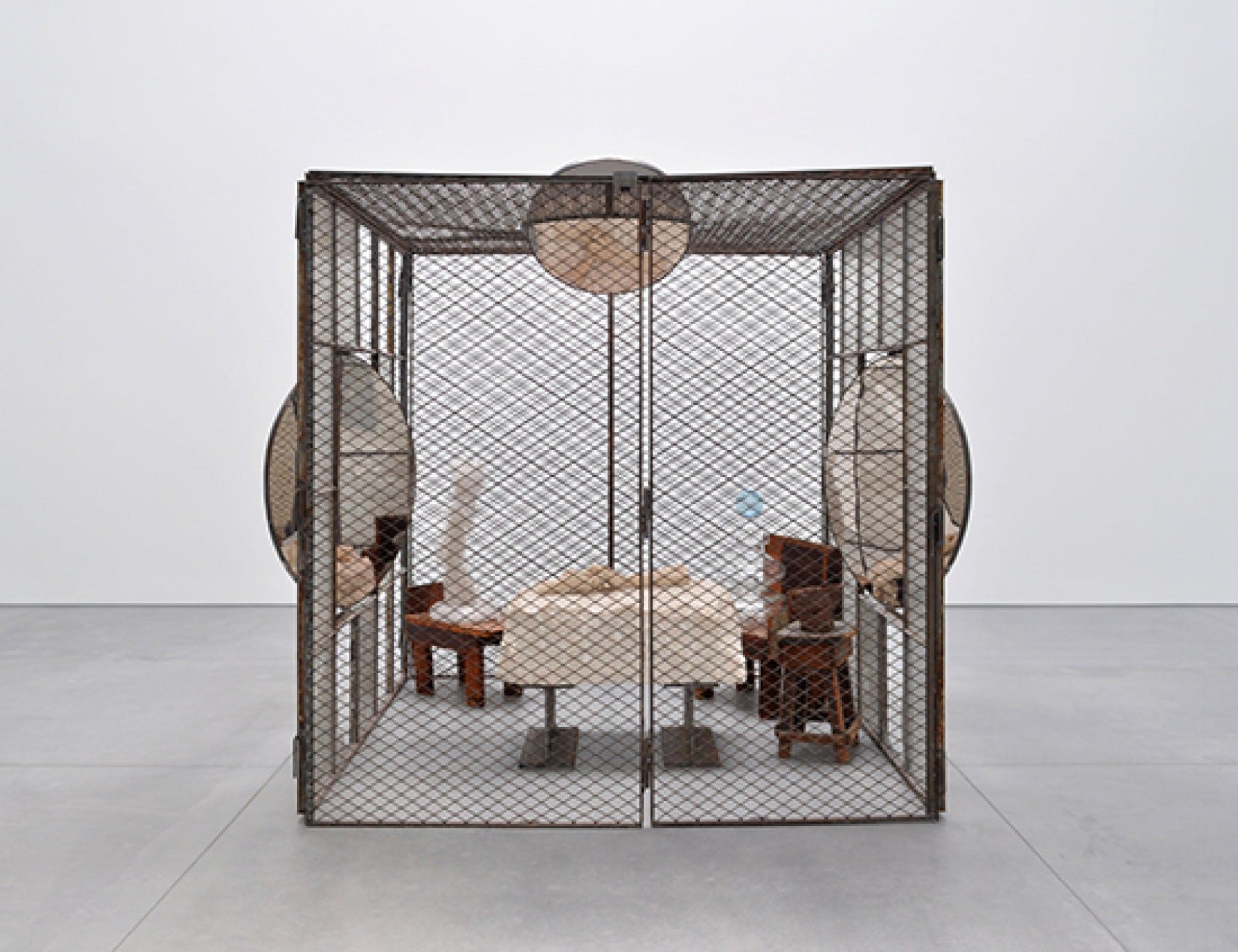
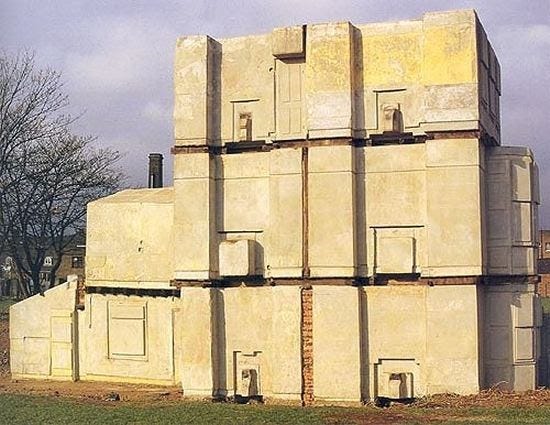
Artists get it, too. Louise Bourgeois made rooms and mobiles that felt like nervous systems, fragile, suspended, tender. Rachel Whiteread cast the negative space of entire homes, turning absence into something heavy you could stub your toe on.
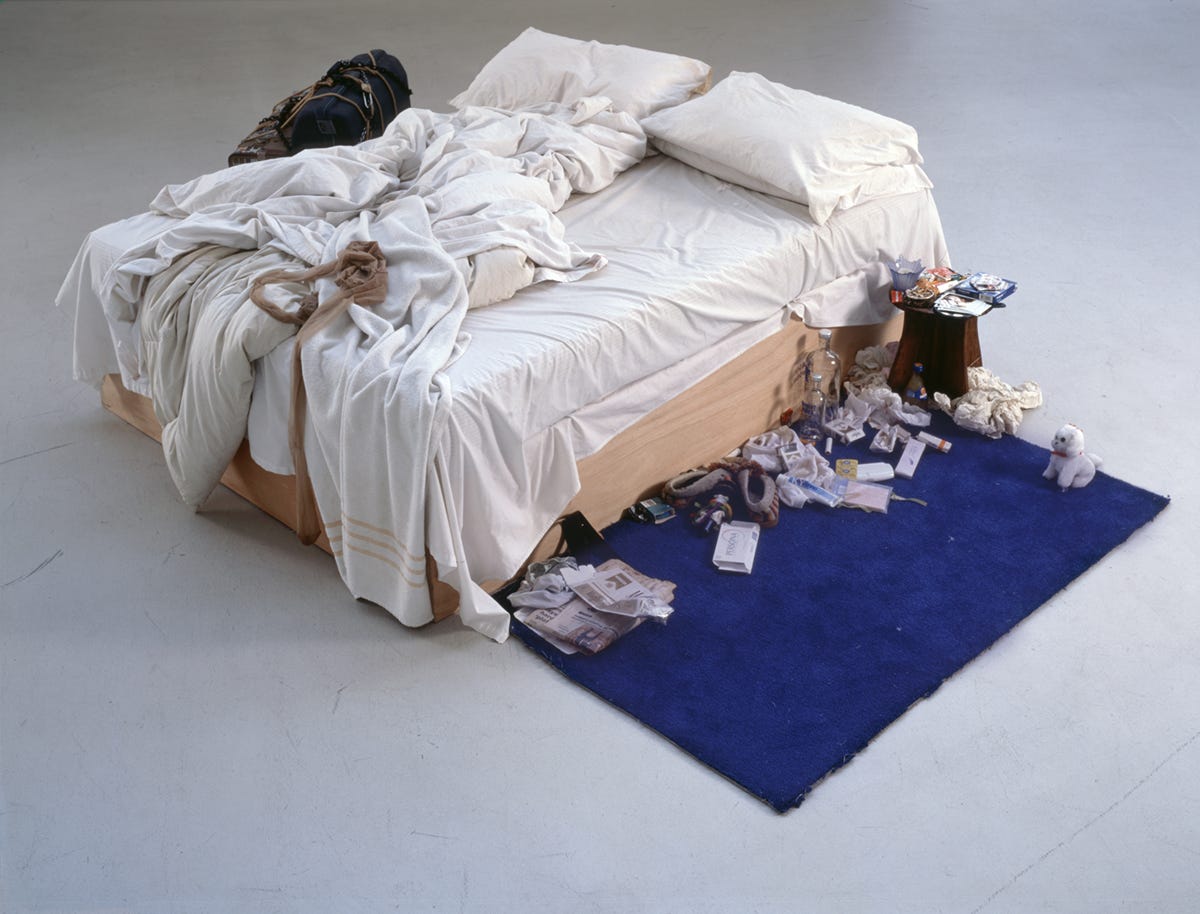
Tracey Emin immortalized the mess of daily life in My Bed, a reminder that our chaos is as architectural as walls. And García Márquez gave us the Buendía house, a place so alive it aged and decayed alongside its family.
Six years isn’t forever, but it’s long enough for a house to stop being “new” and start becoming a witness. It remembers the different versions of yourself, the “million dollar ideas”, the resolutions, the laughter, the tears, the people who came and went, the celebratory toast that left a ring on the counter. Which is why the last walk-through feels ritualistic: you’re not just closing a door, you’re exhaling a whole self the house kept safe. In fact, before I left for the airport, I found myself pacing throughout the empty house in a sort of half-goodbye, half mental-documentation of every little corner. The end of a chapter and the uncertainty of a new one.
There’s a weird grief to it, that’s subtle, but it lingers. Not loud or dramatic, not even entirely sad, but more like an aftertaste. You know the house will keep breathing without you, swallowing up someone else’s furniture (and rent money), someone else’s stories and messes. Still, part of you hopes some small trace of you stays hidden in the walls (kinda like Jean Georges himself!)
Anyway, greetings from somewhere in between a storage unit and the Venezuelan sun,
P.
This week’s music recommendation…